
Why are more global beauty brands considering small-batch manufacturing in Korea?
FactoSquare ·
Small-batch K-beauty manufacturing helps global beauty brands reduce upfront inventory risk, shorten product development timelines, and access Korea’s established OEM/ODM ecosystem. With flexible MOQs, formulation development, packaging, compliance, and export logistics, brands can test the market first and scale production based on real demand.
For emerging beauty brands, choosing a manufacturer is not only about the unit price.
MOQ, development speed, formulation capabilities, packaging, compliance, and international logistics all affect the real cost and risk of launching a new product.
This is where Korean cosmetics OEM/ODM manufacturing can be particularly effective.
Instead of committing to a large production run before validating demand, global beauty brands can start with a smaller batch, test the market, and scale production based on actual sales.
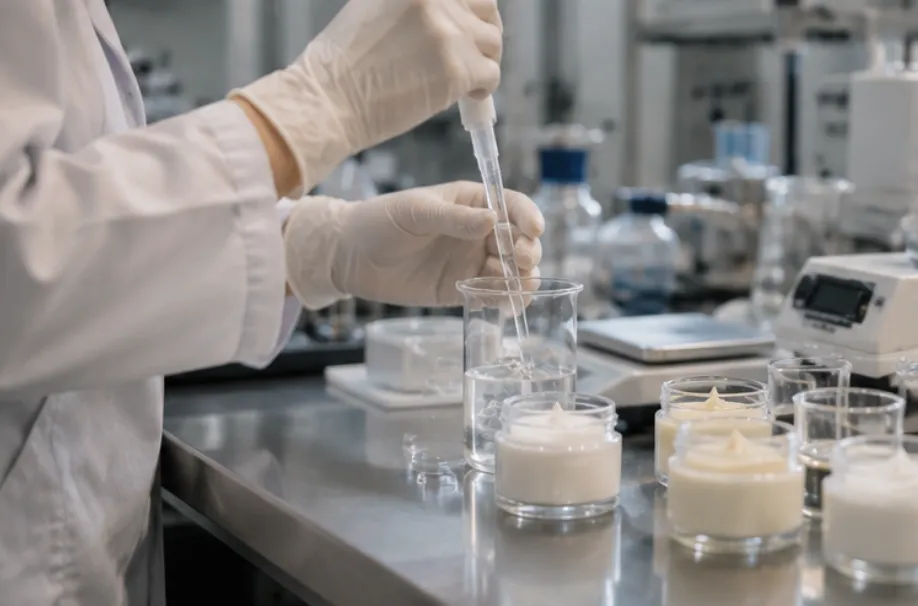
At Factosquare, custom K-beauty manufacturing can start from around 2,000 units, depending on the product category, formulation, and packaging specifications.
This approach is especially useful for:
New beauty brands launching their first product
Existing brands testing a new skincare, haircare, body care, fragrance, or color cosmetics category
Global brands entering a new country or sales channel
Brands looking to reduce inventory risk before scaling
Why can small-batch manufacturing in Korea be more efficient than local production?
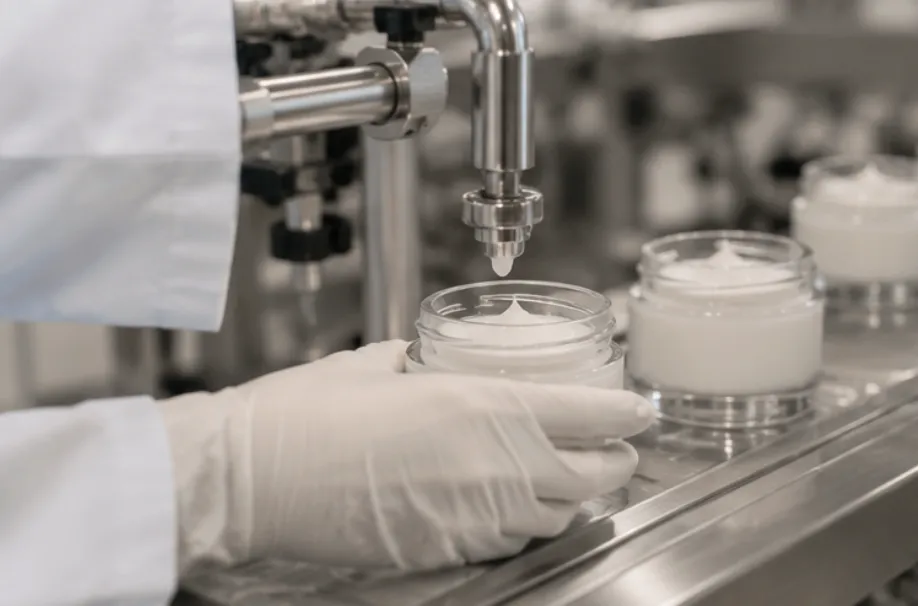
1. Lower initial inventory risk
A lower MOQ allows brands to invest less capital in inventory before confirming product-market fit.
Instead of producing a large quantity upfront, brands can follow a more flexible model:
Small batch → Market validation → Scale
2. Faster product development
Korea has a highly developed cosmetics manufacturing ecosystem with experienced OEM/ODM manufacturers, formulation laboratories, packaging suppliers, and raw material networks.
Brands can develop products using either existing base formulations or customized formulations depending on their positioning and timeline.
This can significantly simplify the product development process compared with coordinating formulation, packaging, and production separately.
3. Access to K-beauty formulation expertise
Korean manufacturers have extensive experience developing products across categories such as:
Skincare
Haircare
Body care
Fragrance
Color cosmetics
For global brands, this provides access not only to manufacturing capacity but also to Korea's established formulation and product-development infrastructure.
4. Packaging can be managed together with production
Product development does not stop at the formula.
Containers, pumps, tubes, jars, labels, cartons, and secondary packaging can also affect MOQ, lead time, and total product cost.
Managing formulation and packaging within the same production workflow can reduce unnecessary coordination between multiple suppliers.
5. Compliance can be considered before production
For brands selling internationally, regulatory requirements should be reviewed during product development—not after production is completed.
Depending on the target market, this may include ingredient review, product documentation, labeling requirements, and regulatory preparation for markets such as the United States and European Union.
Building these requirements into the development process helps reduce costly changes later.
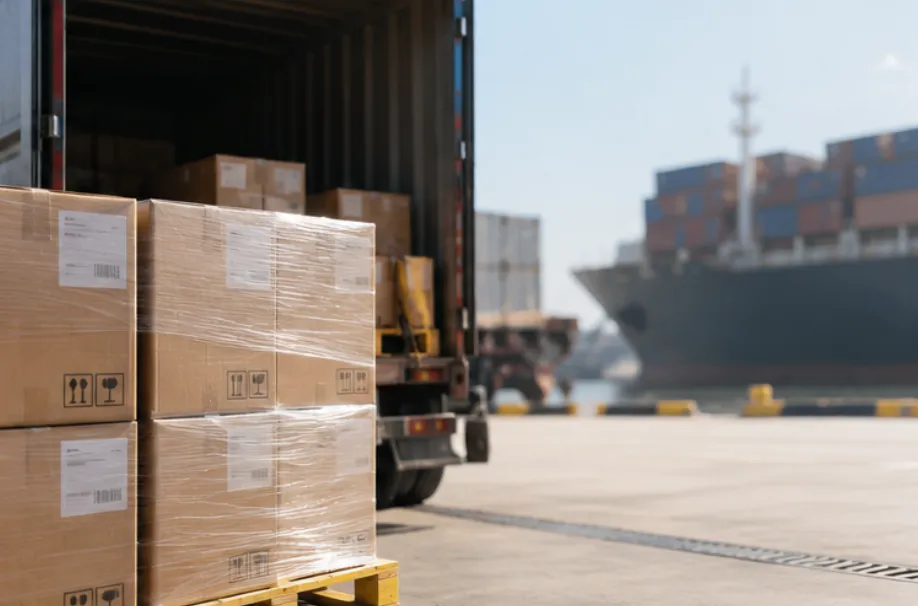
6. Export logistics can be integrated into the manufacturing process
International brands also need to consider what happens after production.
Export documentation, packing, freight, and delivery to overseas warehouses or distributors are part of the actual manufacturing workflow.
A Korean OEM/ODM partner that supports both production and export logistics can therefore reduce operational complexity for global brands.
Is Korean OEM/ODM only suitable for large beauty companies?
No.
Korean cosmetics manufacturing can also be suitable for startups and emerging global beauty brands, particularly when the manufacturer or production partner supports lower MOQs and flexible development.
The key is not simply finding the lowest manufacturing price.
The goal is to build a supply chain that allows the brand to:
launch faster, invest less upfront, validate demand, and scale efficiently.
At Factosquare, we help global beauty brands manage the process from K-beauty product development and OEM/ODM manufacturing to packaging, compliance, and international logistics.
For brands considering manufacturing in Korea, starting small can be a strategic advantage—not a limitation.
#KBeauty #CosmeticsManufacturing #OEM #ODM #KoreanCosmetics #BeautyManufacturing #PrivateLabelCosmetics #BeautyBrand #ProductDevelopment #KBeautyManufacturing